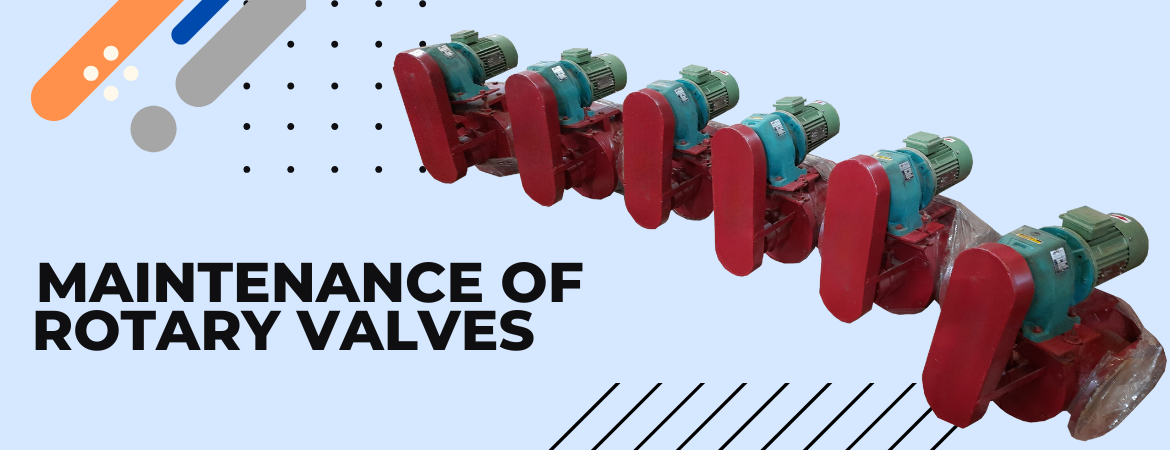
Rotary valves play a critical role in industries such as food processing, pharmaceuticals, chemical manufacturing, and bulk material handling. These components regulate the flow of materials and ensure process efficiency. However, without regular maintenance, rotary valves can experience performance issues, leading to increased downtime and higher operational costs. This article explores key components that require regular servicing, recommended maintenance frequency, and best practices for keeping rotary valves in optimal condition.
The rotor and housing form the core of the rotary valve. Over time, material buildup, wear, and corrosion can lead to inefficiencies. Regular inspection and cleaning prevent clogging and ensure smooth operation.
Bearings and shaft seals keep the rotor aligned and prevent material leakage. Worn-out bearings can cause vibrations and misalignment, while damaged seals may allow contaminants to enter the system. Routine lubrication and inspection help extend their lifespan.
End plates and gaskets provide a secure seal to prevent material loss. These components should be checked for wear, cracking, or misalignment, as leaks can impact efficiency and safety.
The drive system powers the rotary valve and ensures consistent rotation. Motors, couplings, and gearboxes should be checked for proper alignment, lubrication, and signs of overheating or wear.
For valves handling fine powders or hazardous materials, an air purge system prevents contamination and buildup. Regularly inspecting filters and ensuring proper airflow is crucial for maintaining efficiency.
Daily Checks: Perform visual inspections for leaks, unusual noises, or material buildup.
Weekly Maintenance: Inspect rotor clearance, check bearings for lubrication, and clean dust or debris from external components.
Monthly Inspections: Examine seals, gaskets, and housing for wear, corrosion, or damage.
Quarterly Servicing: Disassemble key components for thorough cleaning, check alignment, and replace worn parts.
Annual Overhaul: Conduct a full inspection, including performance testing, lubrication system checks, and replacement of critical components if needed.
Follow Manufacturer Guidelines: Always adhere to the manufacturer’s maintenance recommendations for optimal performance.
Use Proper Lubrication: Ensure bearings and gears are lubricated with the correct type and amount of lubricant.
Maintain Proper Clearance: Regularly check and adjust rotor-to-housing clearance to prevent excessive wear and inefficiencies.
Monitor Performance Trends: Keep records of maintenance activities and any performance changes to identify potential issues early.
Train Maintenance Staff: Ensure operators and maintenance personnel are well-trained in routine inspections and servicing procedures.